A family relaxes on a bench under palm trees, looking out at the ocean at sunset.

How it works

Three steps. Six kinds of encounters.

No booking flow. No automated anything. Just you, a real person, and a place worth knowing.

Simple, on purpose.

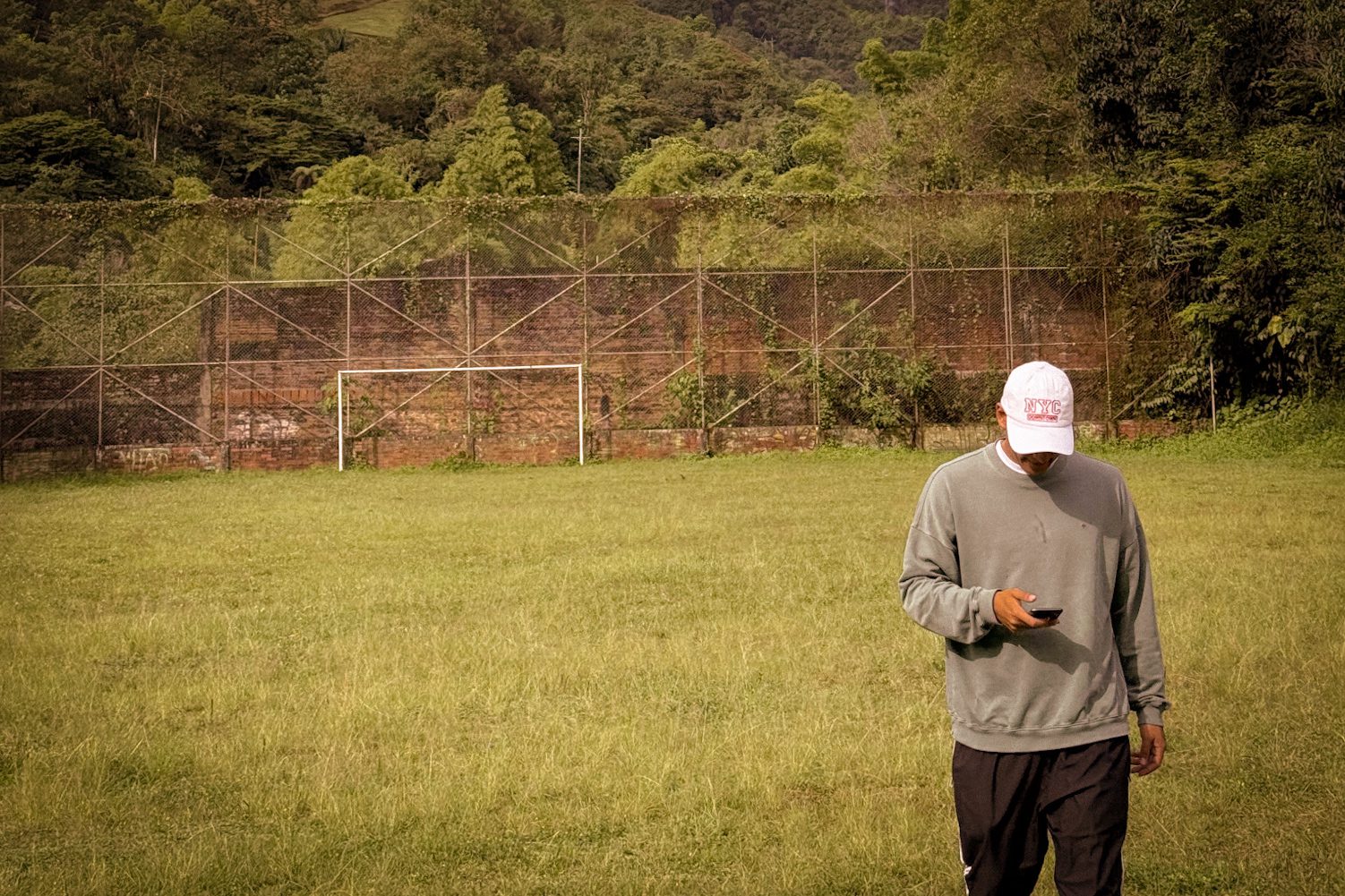
A traveler checks his phone while walking across an open field with a soccer goal in the background.

Discover

Browse profiles by city, type of experience, or language. Read their story. You're not booking a service, you're choosing a person. Take your time.
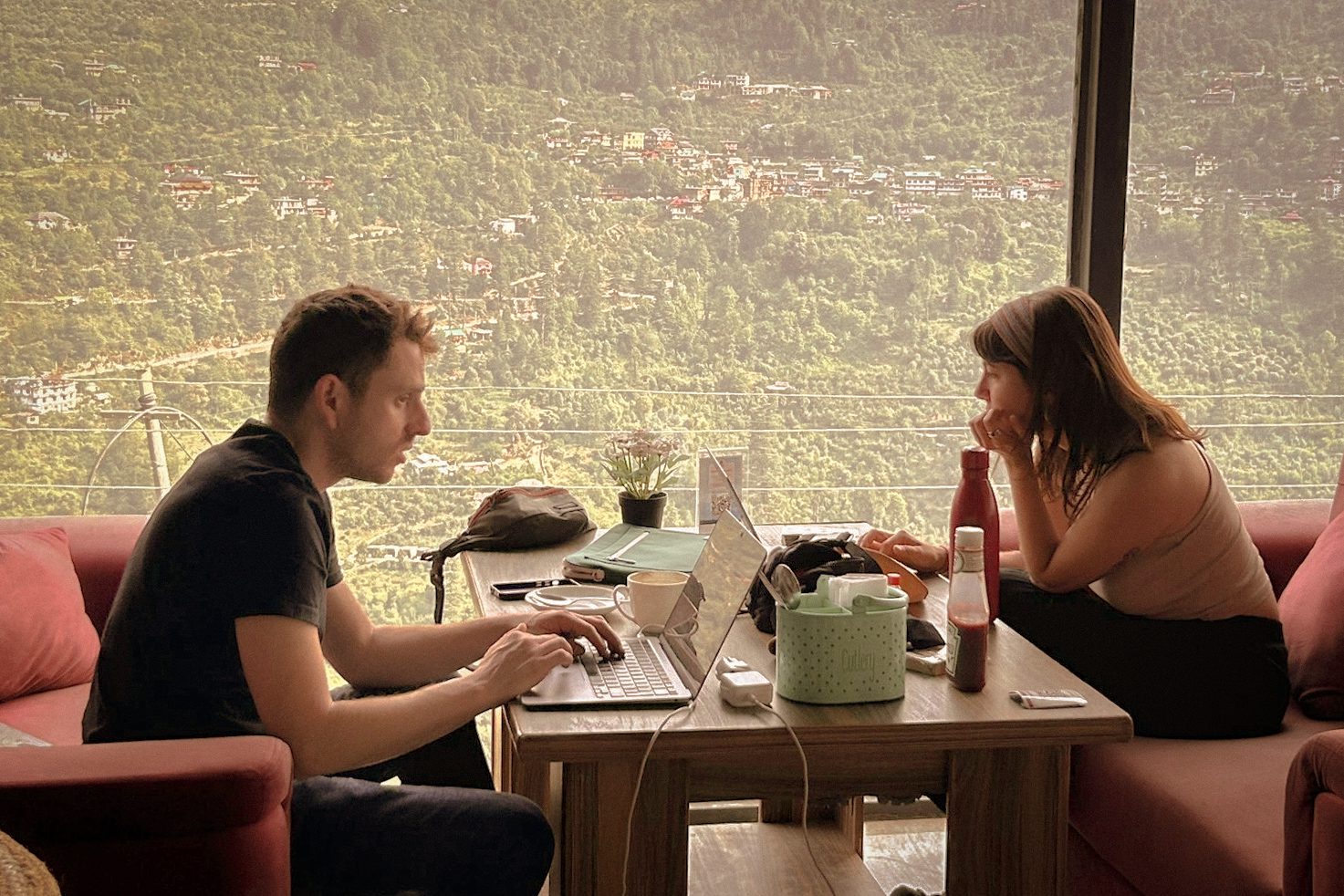
A traveler and a local talk over a laptop at a table overlooking a hillside town.

Connect

When something resonates, send a short note. Tell them who you are and what drew you to their profile. The local reviews and confirms -- every encounter is chosen on both sides.
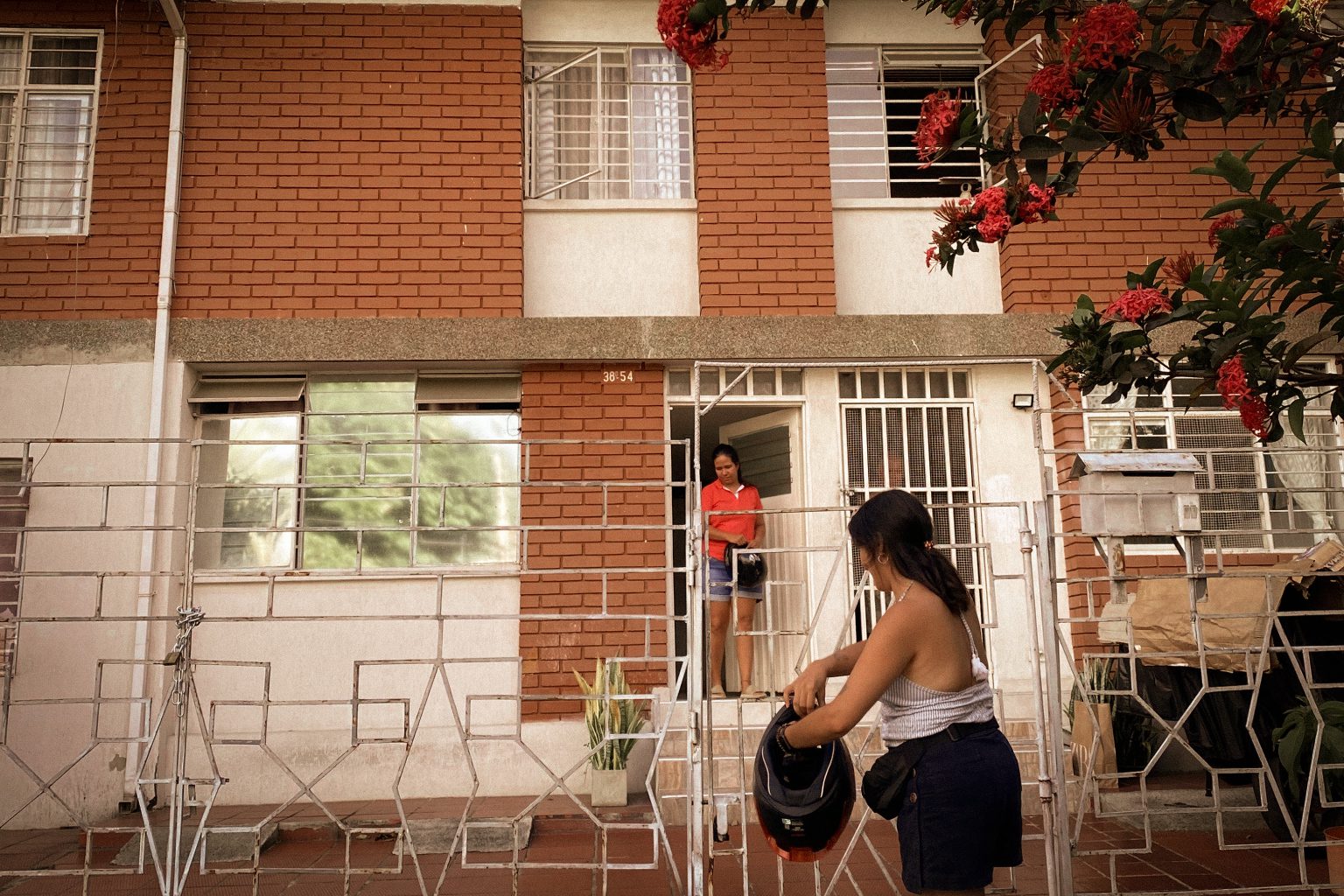
A traveler is welcomed at the door by a local, motorbike helmet in hand.

Show up

You show up. You meet someone real. What happens from there is the point.
What each encounter actually is.

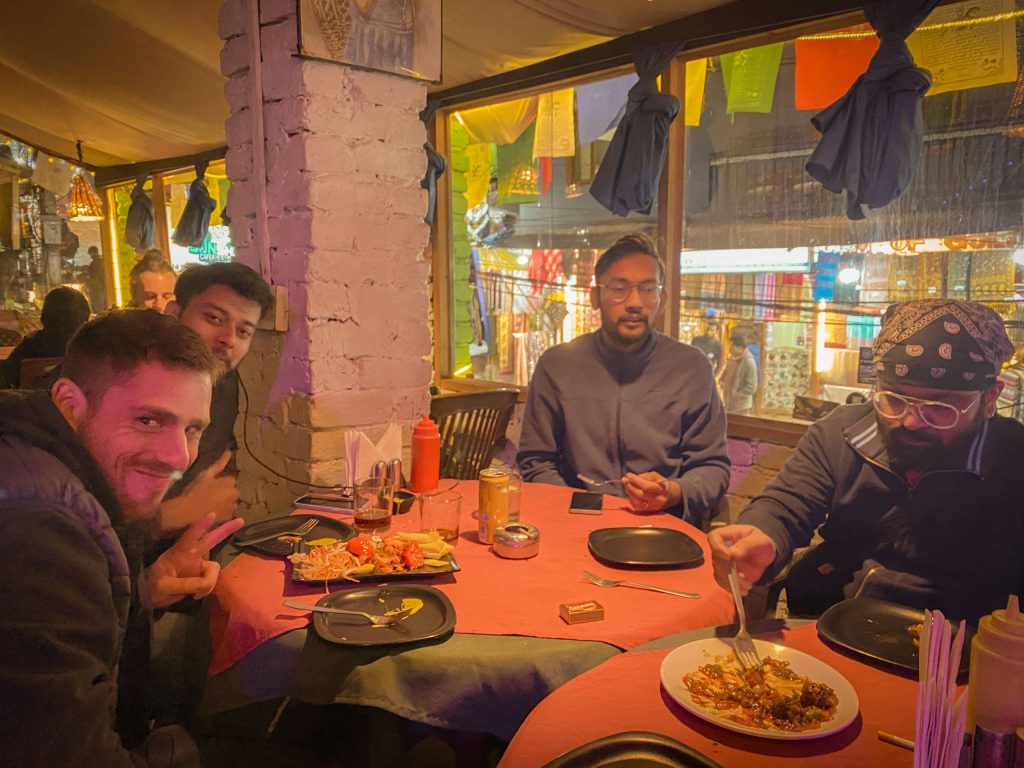
A group of friends share a meal at a lively restaurant table at night.

01

Share a meal

A local cooks what they actually cook — family recipes, regional dishes, the food they grew up eating. It can be cooking together, sitting down to eat, or going to a market and then coming back to cook. The table is the destination.

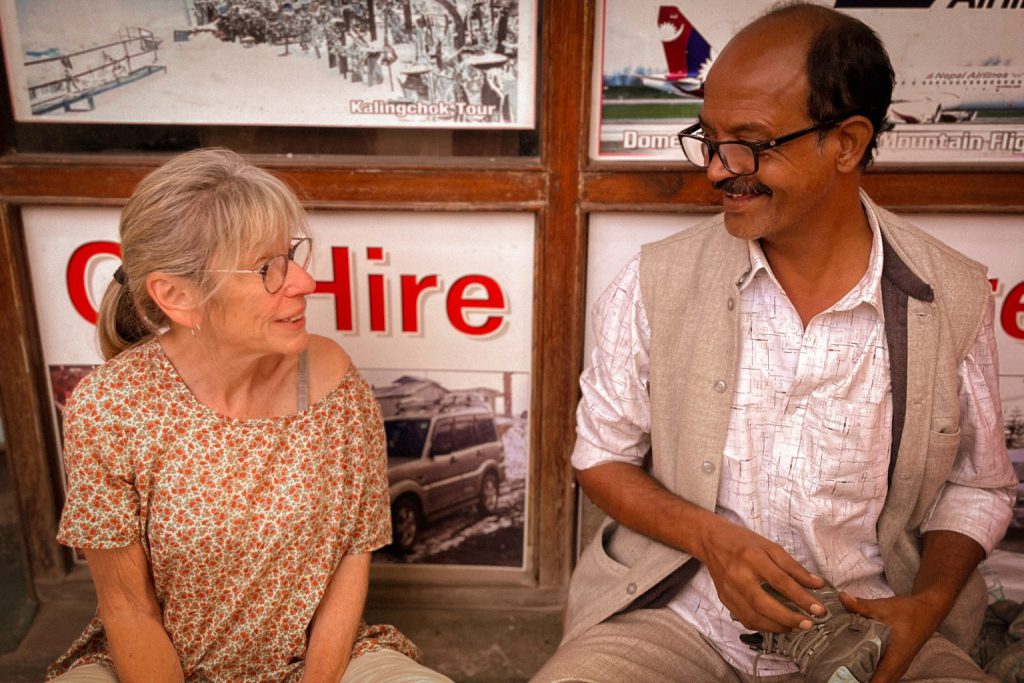
A traveler and a local chat and laugh together in front of a row of travel posters.

02

Exchange languages

Two people who speak different languages sit together with a shared goal: each wants to learn what the other already knows. You’re learning French from someone who lives in Paris, not from a curriculum. The conversation goes places no lesson plan would.

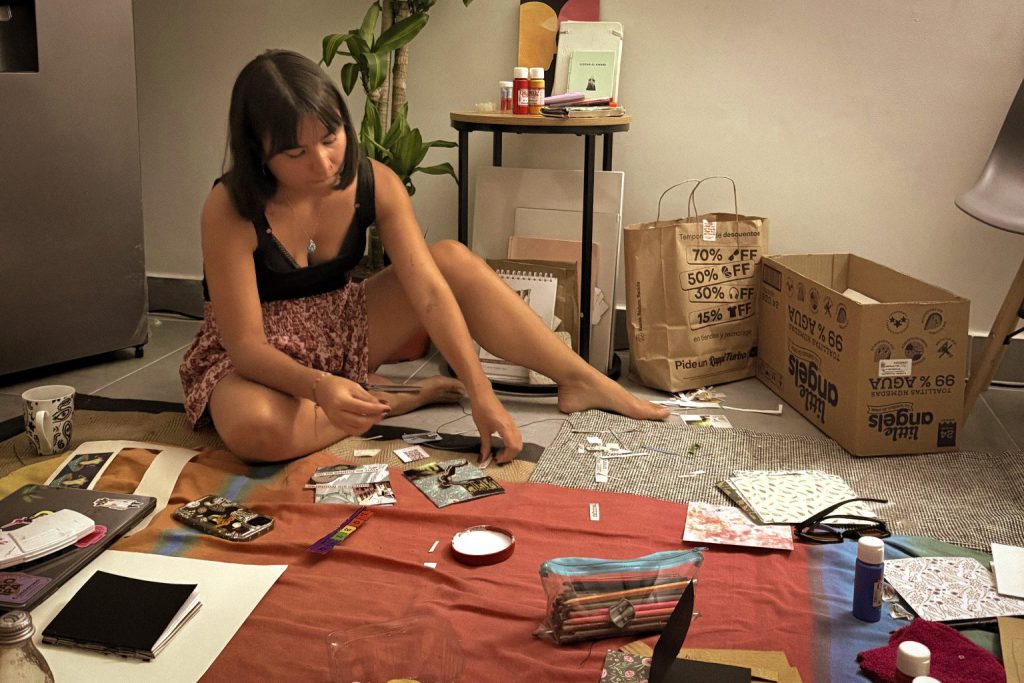
A local sits on the floor working on a craft project surrounded by art supplies.

03

Learn a craft

A local shares a skill that lives in their hands — photography, music, natural dyeing, textiles. Anything that requires doing to understand. The point isn’t to become proficient; it’s to experience how someone else’s knowledge is embedded in a physical practice.

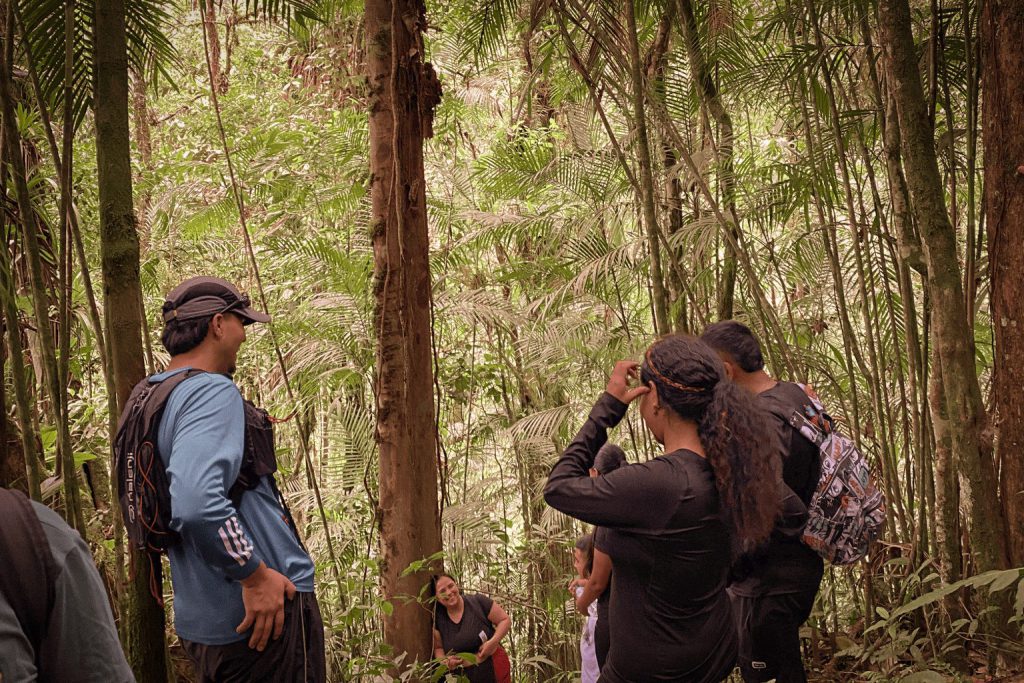
A group hikes together through a lush forest trail.

04

Move together

A local and a traveller share a physical practice — not as instructor and student, but as two people doing something together. A morning run, a yoga session in a park, a hike. The movement is the medium; the connection is the point.

A group of friends pose together for a photo on a lively street at night.

05

Share the night

The city a local actually inhabits after dark is completely different from what a tourist sees. The neighbourhood bar where everyone knows them, a night out with friends you tag along to. It’s social, and it reveals a dimension of local life that daytime can’t reach.

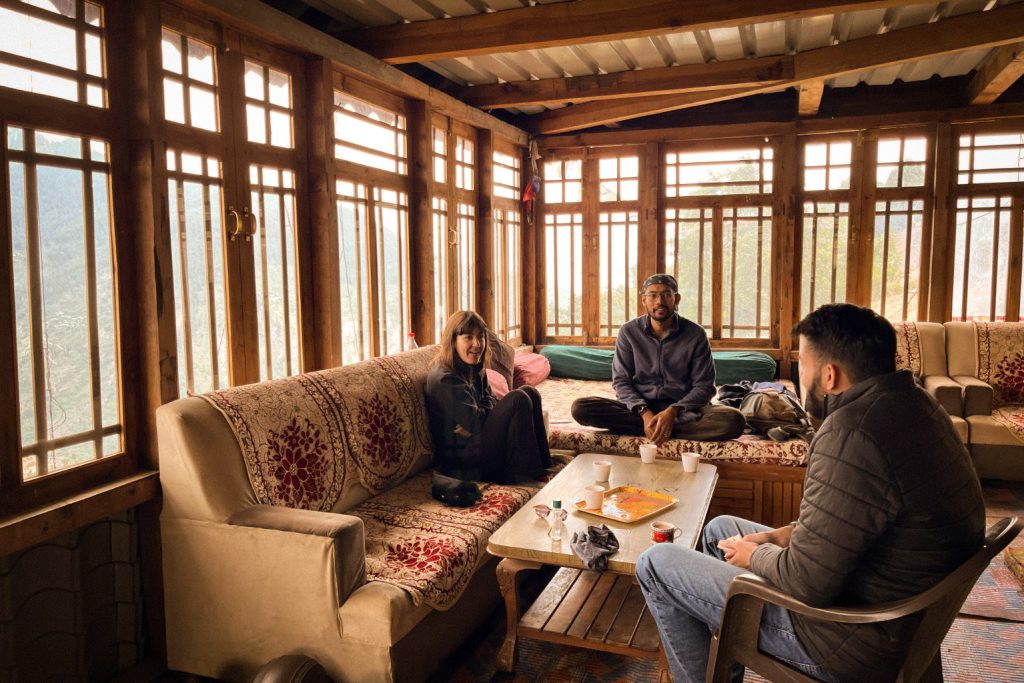
Guests share tea and conversation in a cozy wood-paneled room overlooking the mountains.

06

Stay a while

A room in someone’s home, offered freely. This is the philosophical anchor of everything Terroo stands for: a local must have at least one reference, built on a documented community history, before opening their door.

Every encounter is chosen. Every local is known.

01

Reference system

We require that encounter history be visible. It is the most reliable trust signal there is, more so than an ID document, because it rests on real experiences.

02

Consequence ladder

Trust requires that poor behaviour have real consequences. We publish our consequence ladder in full — transparency changes behaviour.

03

Community transparency

Before an encounter, a traveler can see the profiles of everyone who has already met that person. Nothing is hidden.

Ready?

Find someone worth meeting.

At home for the moment?

Read how this works for locals →

Frequently asked questions

What can I do with locals on Terroo?

Share a meal, learn a craft, join a walk through a neighbourhood, or stay in someone’s home. Every encounter is chosen and offered by the local, on their own terms.

Does it cost anything to meet a local?

No. There is no booking fee. Encounters on Terroo are offered freely, person to person.

Do I need to speak the local language?

No. Many encounters happen with only a few shared words. Genuine curiosity matters more than fluency.

How do I know an encounter will be safe?

Locals are identity-verified, and past encounters are visible through a double-blind reference system, so you can see how previous meetings went before you reach out.