73% of global travelers now say they’re seeking more authentic, local experiences to fully immerse themselves in a culture, according to Hilton’s 2025 Travel Trends Report. Most trips still run on the same script anyway: landmarks, star ratings, a schedule built for efficiency instead of connection. The instinct itself isn’t new, it usually stalls on two questions: who do you actually talk to, and how do you find them without a business card or a paid tour attached. Traveling like a local isn’t a longer itinerary, it’s a different one entirely.
Traveling like a local means trading landmark-chasing for time with people who actually live somewhere: eating where they eat, moving at their pace, following one honest conversation instead of ten reviews. It takes less planning than a packed itinerary, just a willingness to ask, wander, and stay a little longer in one place.
A tourist consumes a place; someone traveling like a local spends time inside it. The difference rarely shows up in passport stamps. It shows up in the small choices along the way: where you eat, how fast you move, who you end up talking to.
None of these markers require a plane ticket to notice. They’re just easier to see once you’re away from home, where every small choice suddenly feels visible again. Noticing the difference is the easy part; acting on it is where a trip actually changes shape.
The people most willing to share their daily life with a stranger are rarely the ones working in tourism. They’re neighbours, retirees, students, people who picked up a hobby they’re proud of. Finding them usually looks like putting yourself somewhere ordinary and staying long enough to talk.
None of this needs to feel performative. The goal isn’t collecting a story to tell later, it’s leaving enough space in a day for an actual person to wander into it. Most of these encounters start smaller than expected: a nod, a question, an offer to sit down.
Slow down to the speed of the place, not the speed of your itinerary. Most of what makes a trip feel local is subtraction, not addition: fewer stops, more time at each one.
None of these steps are complicated. What they require is releasing the instinct to see as much as possible, in favour of seeing one place well.
They answer different questions, and most good trips end up needing a bit of both.
| Classic sightseeing trip | Locally-anchored trip |
|---|---|
| Built around a list of sights | Built around people and time |
| Fixed schedule, fixed stops | Open-ended, follows the day |
| Recommendations from review sites | Recommendations from someone who lives there |
| Same experience for every visitor | Specific to that person, that city, that day |
| You leave with photos | You leave with a story, sometimes a contact |
Most travelers don’t have to choose only one. A trip built around even a single locally-anchored afternoon tends to be the one people remember years later, long after the landmark photos blur together, and it costs nothing extra to plan for.
Not really. A translation app and ten badly pronounced words cover most everyday moments, and people who choose to spend time with a stranger are usually patient about the gap, since most of them have crossed the same gap themselves at some point.
No. See them if you want to, just don’t build the whole trip around them. A morning at a landmark and an evening with someone who actually lives nearby cover very different ground, and most travelers end up glad they did both.
Less than a packed itinerary, not more. It mostly takes leaving unplanned time and being willing to ask. One real conversation can reorganise an entire day for the better, in a way no amount of pre-trip research can replicate.
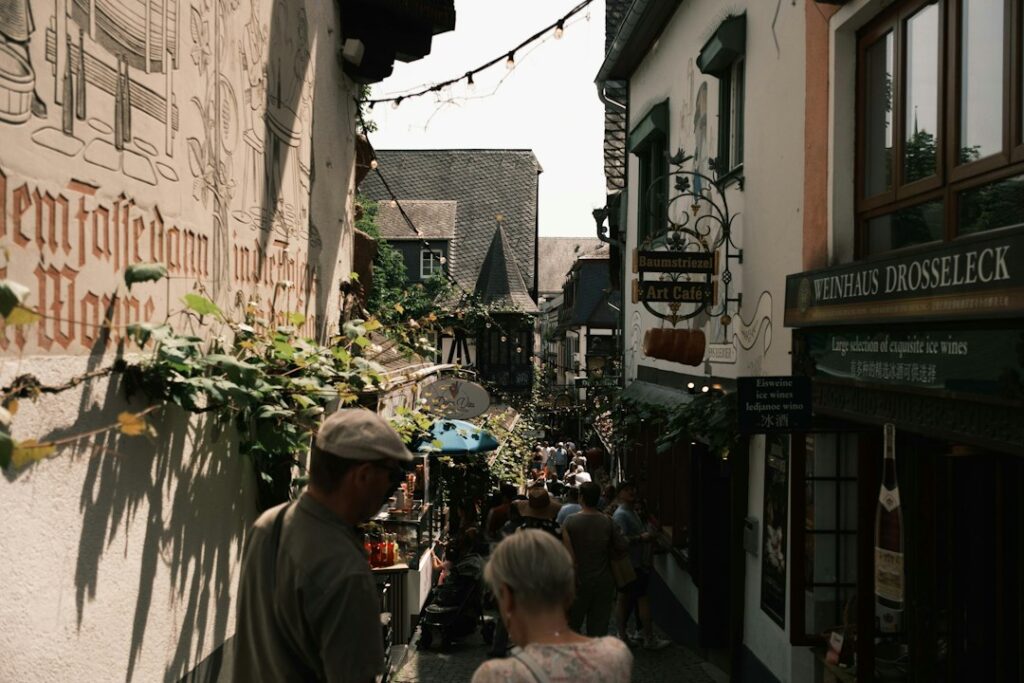
None of this requires a guided tour or a checklist of “authentic” experiences, just a way to actually find someone open to sharing part of their day. Terroo (terroo.world) connects travelers and locals, and locals with each other, for exactly this kind of exchange: a shared meal, a walk through a neighbourhood, an afternoon that wasn’t on any itinerary. It stays a free, non-transactional way for two people to decide, on their own terms, to spend part of a day together.
Last updated: September 16, 2026