A 2023 Meta-Gallup survey across 142 countries found that roughly 24% of people worldwide feel very or fairly lonely. Solo travel can amplify that feeling: new streets, no familiar faces, and long evenings with nobody to tell about your day. Loneliness on the road is usually a problem of structure, not personality, and structure is something you can change.
Loneliness when traveling solo is common and usually temporary. The most reliable fixes are structural: stay somewhere with shared spaces, join small recurring activities, eat at communal tables, and arrange at least one real encounter with a local early in the trip. Slowing down, staying longer in fewer places, makes connections far more likely to form.
Solo travel removes the small, repeated contact that normally keeps loneliness away, and crowds of strangers do not replace it. At home, connection comes from routine: the same café, the neighbour on the stairs, a colleague who asks about your weekend. On the road, every interaction resets to zero. You talk to a receptionist, a waiter, a ticket seller, and none of those exchanges carry over to the next day. Loneliness tends to peak at predictable moments:
Knowing when it tends to hit makes it easier to plan something for exactly those moments.
The easiest places to meet people are the ones built around a shared activity, because the activity does half the talking for you. Walking up to strangers cold works for very few people. A shared context lowers the stakes for everyone. Some reliable options:
That last option often changes a trip the most, because it gives you one person who knows the city and genuinely cares how your stay is going.
Ask about something you can both see, or ask for a recommendation: people enjoy being the expert on their own place. Questions like “What would you order here?” or “Is this market always this busy?” are easy to answer and easy to follow up. A few habits help:
That last step is the one most solo travelers skip, and it is the difference between a pleasant chat and an actual connection.
Yes: feeling lonely on a trip you chose and looked forward to is common, and it does not mean the trip was a mistake. Travel strips away routine, language, and familiar faces all at once, and the mind notices the absence. The feeling usually eases once you have one or two recurring points of contact. Slowing down helps too. A week in one neighbourhood, rather than two nights in each of four cities, gives relationships time to form: the baker starts recognising you, the person from the workshop invites you to something else. The same thing happens close to home, to people who have just moved to a new city or who have lived somewhere for years without really knowing their neighbours, and the same remedies apply.
Not at all, and it is increasingly common. Sitting at the bar or a communal table makes it easy to chat if you want to, and a book or journal makes it comfortable if you do not.
Join activities where locals already are, like language exchanges, classes, or neighbourhood events, or arrange to share a meal or a walk with someone who lives there. A shared activity makes the first conversation much easier.
For most people it comes in waves rather than lasting the whole trip. It tends to ease within a few days, once you have a routine and one or two people you see again.
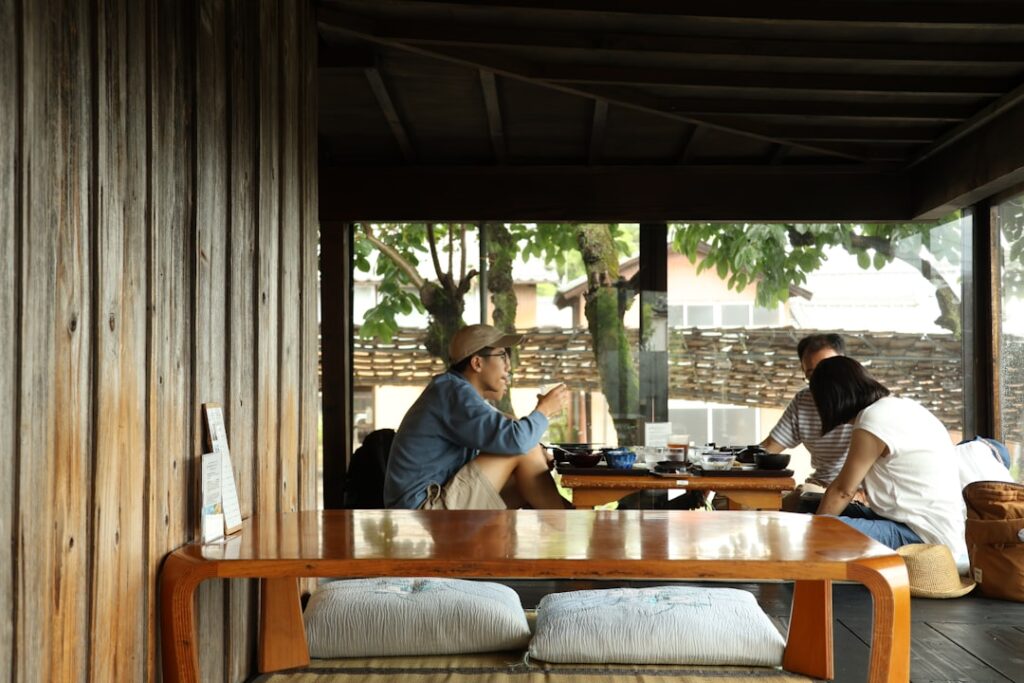
Loneliness on the road rarely fades by accident; it fades when you give connection a structure, a place, and a second meeting. Terroo (terroo.world) is one concrete way to do that: a community where travelers, expats, and locals meet for a shared meal, a walk through a neighbourhood, or a language exchange, a free, non-transactional encounter between people who are simply curious about each other. One real conversation early in a trip can change how the rest of it feels.
Last updated: September 23, 2026