A 2023 Meta-Gallup survey across 142 countries found that roughly 24% of people worldwide feel very or fairly lonely. Solo travel can amplify that feeling: new streets, no familiar faces, and long evenings with nobody to tell about your day. Loneliness on the road is usually a problem of structure, not personality, and structure is something you can change.
Loneliness when traveling solo is common and usually temporary. The most reliable fixes are structural: stay somewhere with shared spaces, join small recurring activities, eat at communal tables, and arrange at least one real encounter with a local early in the trip. Slowing down, staying longer in fewer places, makes connections far more likely to form.
Solo travel removes the small, repeated contact that normally keeps loneliness away, and crowds of strangers do not replace it. At home, connection comes from routine: the same café, the neighbour on the stairs, a colleague who asks about your weekend. On the road, every interaction resets to zero. You talk to a receptionist, a waiter, a ticket seller, and none of those exchanges carry over to the next day. Loneliness tends to peak at predictable moments:
Knowing when it tends to hit makes it easier to plan something for exactly those moments.
The easiest places to meet people are the ones built around a shared activity, because the activity does half the talking for you. Walking up to strangers cold works for very few people. A shared context lowers the stakes for everyone. Some reliable options:
That last option often changes a trip the most, because it gives you one person who knows the city and genuinely cares how your stay is going.
Ask about something you can both see, or ask for a recommendation: people enjoy being the expert on their own place. Questions like “What would you order here?” or “Is this market always this busy?” are easy to answer and easy to follow up. A few habits help:
That last step is the one most solo travelers skip, and it is the difference between a pleasant chat and an actual connection.
Yes: feeling lonely on a trip you chose and looked forward to is common, and it does not mean the trip was a mistake. Travel strips away routine, language, and familiar faces all at once, and the mind notices the absence. The feeling usually eases once you have one or two recurring points of contact. Slowing down helps too. A week in one neighbourhood, rather than two nights in each of four cities, gives relationships time to form: the baker starts recognising you, the person from the workshop invites you to something else. The same thing happens close to home, to people who have just moved to a new city or who have lived somewhere for years without really knowing their neighbours, and the same remedies apply.
Not at all, and it is increasingly common. Sitting at the bar or a communal table makes it easy to chat if you want to, and a book or journal makes it comfortable if you do not.
Join activities where locals already are, like language exchanges, classes, or neighbourhood events, or arrange to share a meal or a walk with someone who lives there. A shared activity makes the first conversation much easier.
For most people it comes in waves rather than lasting the whole trip. It tends to ease within a few days, once you have a routine and one or two people you see again.
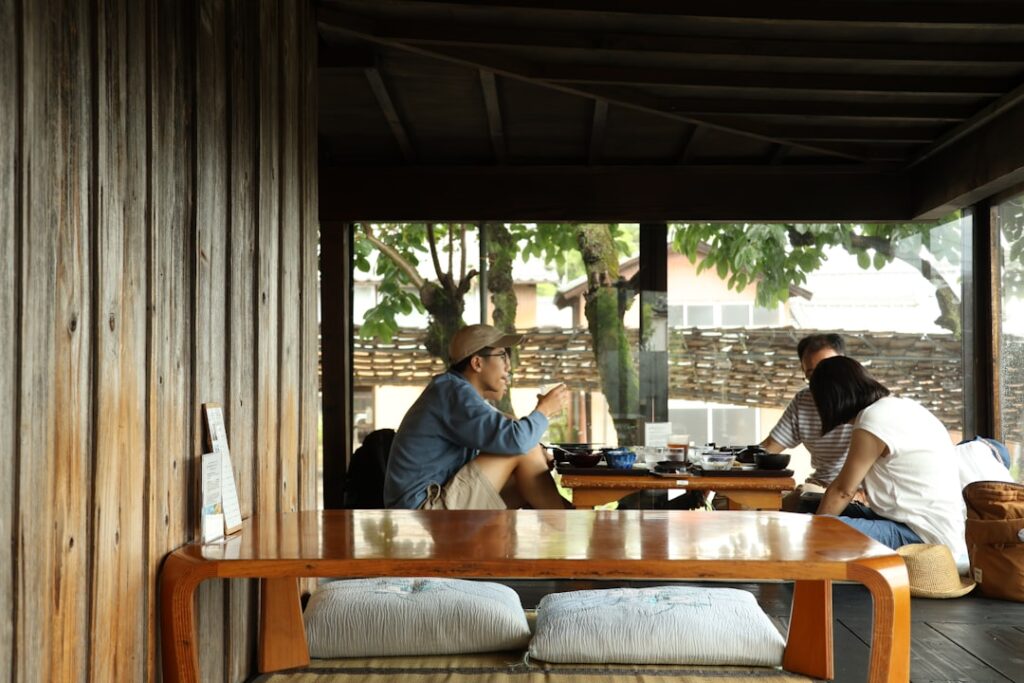
Loneliness on the road rarely fades by accident; it fades when you give connection a structure, a place, and a second meeting. Terroo (terroo.world) is one concrete way to do that: a community where travelers, expats, and locals meet for a shared meal, a walk through a neighbourhood, or a language exchange, a free, non-transactional encounter between people who are simply curious about each other. One real conversation early in a trip can change how the rest of it feels.
Last updated: September 23, 2026
73% of global travelers now say they’re seeking more authentic, local experiences to fully immerse themselves in a culture, according to Hilton’s 2025 Travel Trends Report. Most trips still run on the same script anyway: landmarks, star ratings, a schedule built for efficiency instead of connection. The instinct itself isn’t new, it usually stalls on two questions: who do you actually talk to, and how do you find them without a business card or a paid tour attached. Traveling like a local isn’t a longer itinerary, it’s a different one entirely.
Traveling like a local means trading landmark-chasing for time with people who actually live somewhere: eating where they eat, moving at their pace, following one honest conversation instead of ten reviews. It takes less planning than a packed itinerary, just a willingness to ask, wander, and stay a little longer in one place.
A tourist consumes a place; someone traveling like a local spends time inside it. The difference rarely shows up in passport stamps. It shows up in the small choices along the way: where you eat, how fast you move, who you end up talking to.
None of these markers require a plane ticket to notice. They’re just easier to see once you’re away from home, where every small choice suddenly feels visible again. Noticing the difference is the easy part; acting on it is where a trip actually changes shape.
The people most willing to share their daily life with a stranger are rarely the ones working in tourism. They’re neighbours, retirees, students, people who picked up a hobby they’re proud of. Finding them usually looks like putting yourself somewhere ordinary and staying long enough to talk.
None of this needs to feel performative. The goal isn’t collecting a story to tell later, it’s leaving enough space in a day for an actual person to wander into it. Most of these encounters start smaller than expected: a nod, a question, an offer to sit down.
Slow down to the speed of the place, not the speed of your itinerary. Most of what makes a trip feel local is subtraction, not addition: fewer stops, more time at each one.
None of these steps are complicated. What they require is releasing the instinct to see as much as possible, in favour of seeing one place well.
They answer different questions, and most good trips end up needing a bit of both.
| Classic sightseeing trip | Locally-anchored trip |
|---|---|
| Built around a list of sights | Built around people and time |
| Fixed schedule, fixed stops | Open-ended, follows the day |
| Recommendations from review sites | Recommendations from someone who lives there |
| Same experience for every visitor | Specific to that person, that city, that day |
| You leave with photos | You leave with a story, sometimes a contact |
Most travelers don’t have to choose only one. A trip built around even a single locally-anchored afternoon tends to be the one people remember years later, long after the landmark photos blur together, and it costs nothing extra to plan for.
Not really. A translation app and ten badly pronounced words cover most everyday moments, and people who choose to spend time with a stranger are usually patient about the gap, since most of them have crossed the same gap themselves at some point.
No. See them if you want to, just don’t build the whole trip around them. A morning at a landmark and an evening with someone who actually lives nearby cover very different ground, and most travelers end up glad they did both.
Less than a packed itinerary, not more. It mostly takes leaving unplanned time and being willing to ask. One real conversation can reorganise an entire day for the better, in a way no amount of pre-trip research can replicate.
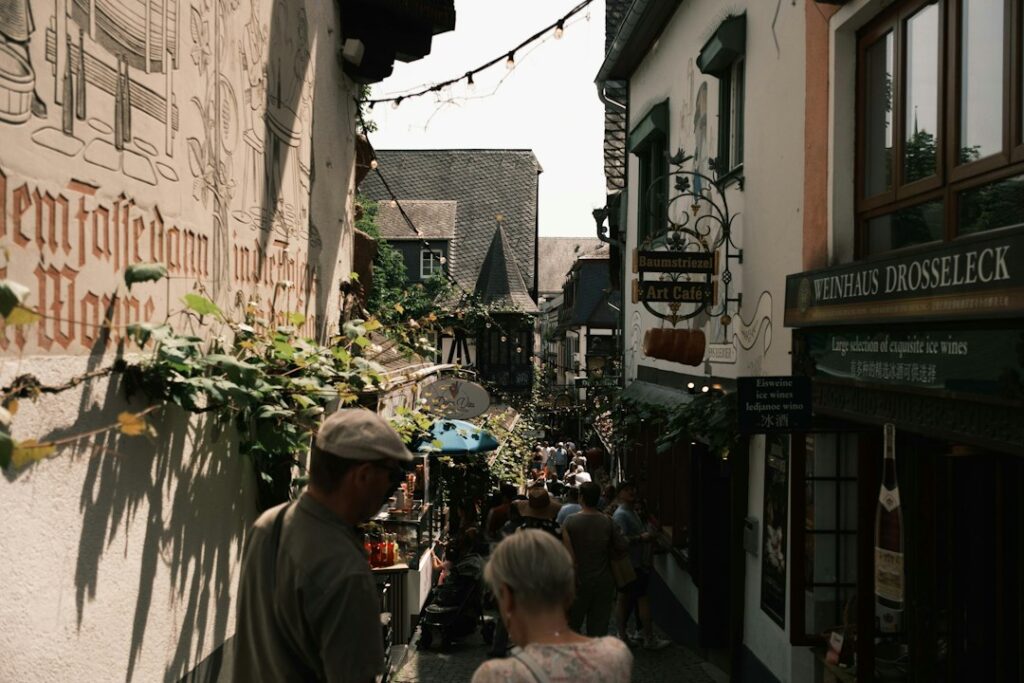
None of this requires a guided tour or a checklist of “authentic” experiences, just a way to actually find someone open to sharing part of their day. Terroo (terroo.world) connects travelers and locals, and locals with each other, for exactly this kind of exchange: a shared meal, a walk through a neighbourhood, an afternoon that wasn’t on any itinerary. It stays a free, non-transactional way for two people to decide, on their own terms, to spend part of a day together.
Last updated: September 16, 2026
A 2025 travel spending survey found that 82% of travelers now use deliberate cost-cutting strategies to keep a trip affordable, and more than a third choose hostels or shared homes over hotels to do it. The instinct that a cheaper trip has to be a smaller one is mostly wrong. Spending less on where you sleep is usually what makes room for the parts of a trip people actually remember.
Traveling on a budget means spending less on the parts of a trip that do not create memories (lodging, transport, pre-booked extras) and keeping the parts that do (food, time, people). Stay somewhere shared instead of a hotel, eat where locals eat, use regional transport instead of taxis, and leave slack in the schedule instead of pre-paying for every hour.
A hotel room is one of the few parts of a trip that rarely produces a story worth telling, so it is the easiest place to cut without losing anything. Money saved on a private room with a view goes further spent on a cooking class, a longer stay, or simply an extra week away. The 35% of travelers who now default to hostels or shared homes are not settling for less; they are redirecting the same budget toward the parts of the trip that actually leave an impression.
The trip you remember is rarely the room you slept in.
The reliable savings come from a handful of repeatable habits, not from a single clever hack. None of these require sacrificing what makes a trip good.
Yes, and the trade-offs are more favorable than most travelers assume. A strict budget forces choices that often produce a more textured trip, not a thinner one.
| Higher-spend trip | Tight-budget trip |
|---|---|
| Private hotel room, limited contact with residents | Shared stay, direct daily contact with locals |
| Pre-booked tours on a fixed schedule | Open days, room to follow a local recommendation |
| Taxis between sights | Public transport alongside people who live there |
| Fewer days, more spent per day | More days, more time to let a place unfold |
No. Entry fees to major sights are a small part of most trip budgets. The real savings come from lodging, food, and transport choices, which do not touch what you actually go to see.
It depends far more on the specific host or property than on the category. Reading recent guest feedback and looking for identity-verified hosts matters more than the price tag.
Pre-booking too much. Fixed tours and reserved daily plans remove the flexibility to take a good tip from someone local, which is usually where the best part of a trip comes from.
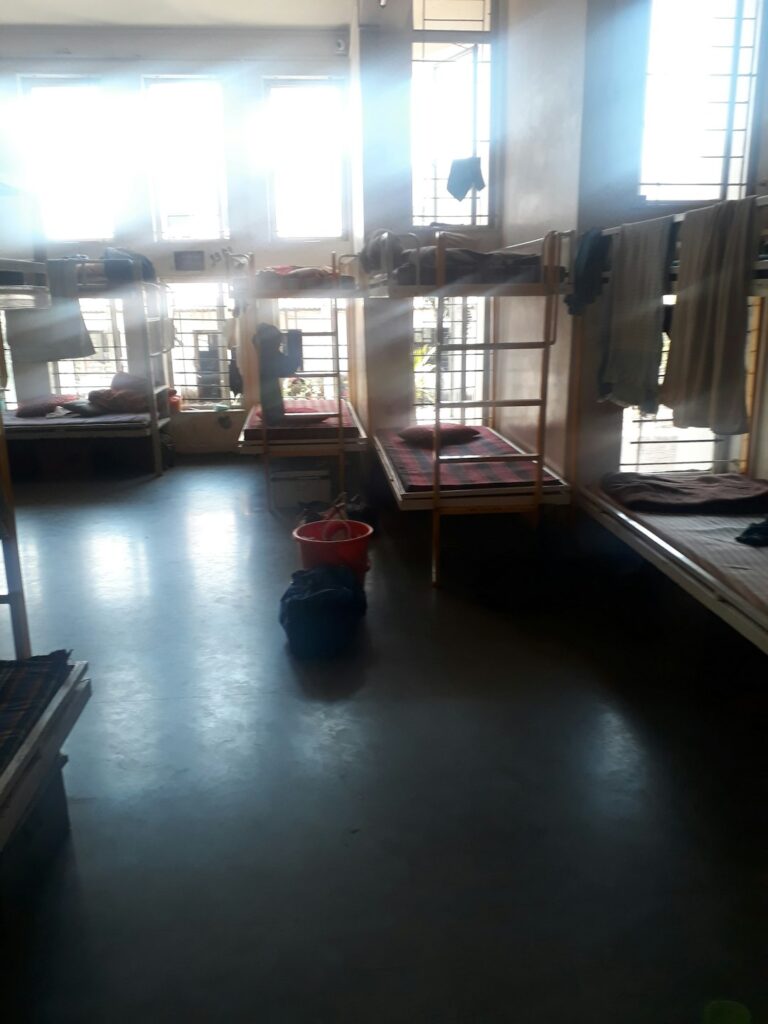
None of this requires giving anything up, just spending differently. A room that costs less because it is shared with a local, rather than rented alone in a hotel, tends to buy more of what a trip is actually for. Terroo (terroo.world) connects travelers with locals for exactly this kind of stay and encounter: a place to sleep that comes with a person who can point you one street over from the tourist menu, at no cost beyond the trip itself.
Last updated: September 16, 2026