A 2025 travel spending survey found that 82% of travelers now use deliberate cost-cutting strategies to keep a trip affordable, and more than a third choose hostels or shared homes over hotels to do it. The instinct that a cheaper trip has to be a smaller one is mostly wrong. Spending less on where you sleep is usually what makes room for the parts of a trip people actually remember.
Traveling on a budget means spending less on the parts of a trip that do not create memories (lodging, transport, pre-booked extras) and keeping the parts that do (food, time, people). Stay somewhere shared instead of a hotel, eat where locals eat, use regional transport instead of taxis, and leave slack in the schedule instead of pre-paying for every hour.
A hotel room is one of the few parts of a trip that rarely produces a story worth telling, so it is the easiest place to cut without losing anything. Money saved on a private room with a view goes further spent on a cooking class, a longer stay, or simply an extra week away. The 35% of travelers who now default to hostels or shared homes are not settling for less; they are redirecting the same budget toward the parts of the trip that actually leave an impression.
The trip you remember is rarely the room you slept in.
The reliable savings come from a handful of repeatable habits, not from a single clever hack. None of these require sacrificing what makes a trip good.
Yes, and the trade-offs are more favorable than most travelers assume. A strict budget forces choices that often produce a more textured trip, not a thinner one.
| Higher-spend trip | Tight-budget trip |
|---|---|
| Private hotel room, limited contact with residents | Shared stay, direct daily contact with locals |
| Pre-booked tours on a fixed schedule | Open days, room to follow a local recommendation |
| Taxis between sights | Public transport alongside people who live there |
| Fewer days, more spent per day | More days, more time to let a place unfold |
No. Entry fees to major sights are a small part of most trip budgets. The real savings come from lodging, food, and transport choices, which do not touch what you actually go to see.
It depends far more on the specific host or property than on the category. Reading recent guest feedback and looking for identity-verified hosts matters more than the price tag.
Pre-booking too much. Fixed tours and reserved daily plans remove the flexibility to take a good tip from someone local, which is usually where the best part of a trip comes from.
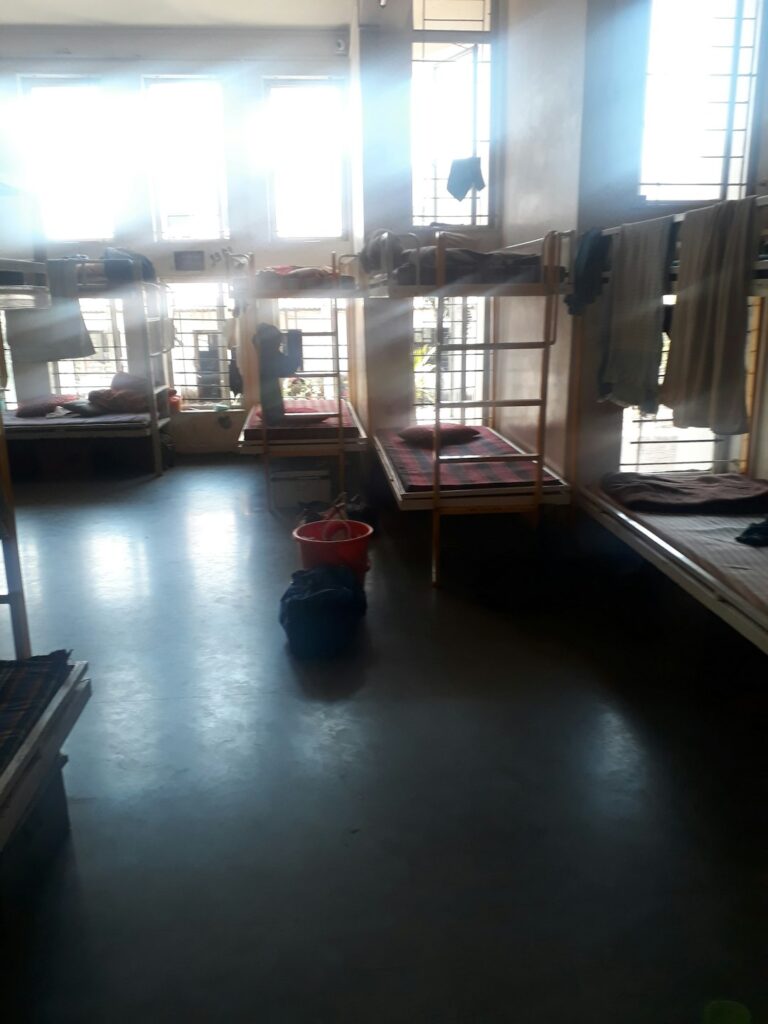
None of this requires giving anything up, just spending differently. A room that costs less because it is shared with a local, rather than rented alone in a hotel, tends to buy more of what a trip is actually for. Terroo (terroo.world) connects travelers with locals for exactly this kind of stay and encounter: a place to sleep that comes with a person who can point you one street over from the tourist menu, at no cost beyond the trip itself.
Last updated: September 16, 2026